| Advantage | What It Means for Indoor Air |
|---|---|
| Removes common VOCs | Research on houseplants (NASA Clean‑Air Study) shows golden pothos can absorb formaldehyde, benzene and xylene from the surrounding air. These volatile organic compounds are released by paints, furniture, cleaning products and some electronics. |
| High transpiration rate | Like other leafy plants, pothos constantly pulls water through its roots and releases moisture through its leaves. This process humidifies dry indoor environments and can help dilute airborne particles. |
| Tolerant of low light & neglect | Because it thrives in dimmer rooms, you can place it wherever air‑cleaning is needed—near a desk, in a hallway, or on a shelf—without worrying about keeping a strict lighting schedule. |
| Large leaf surface area | The heart‑shaped, glossy leaves provide a lot of surface for gas exchange, increasing the plant’s capacity to take up pollutants. |
| Easy propagation | New vines can be clipped and rooted in water or soil, letting you expand the “green filter” quickly and inexpensively. |
Bottom line: Golden pothos is a low‑maintenance, aesthetically pleasing plant that actively removes several indoor pollutants while adding a touch of greenery that can boost mood and perceived air quality.
How an Indoor Runapod Wall Planter Enhances Those Benefits
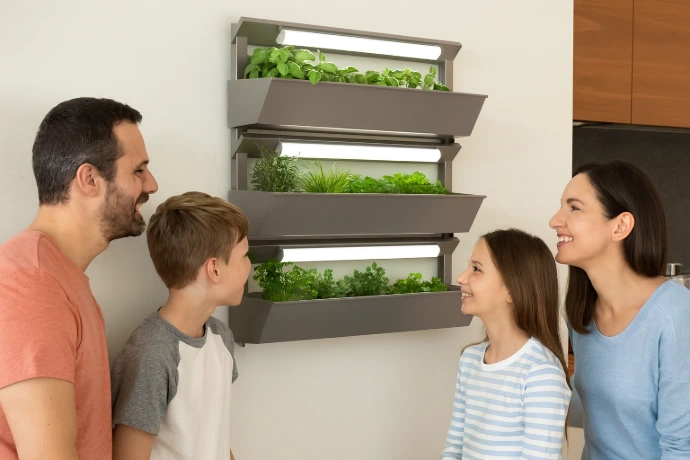
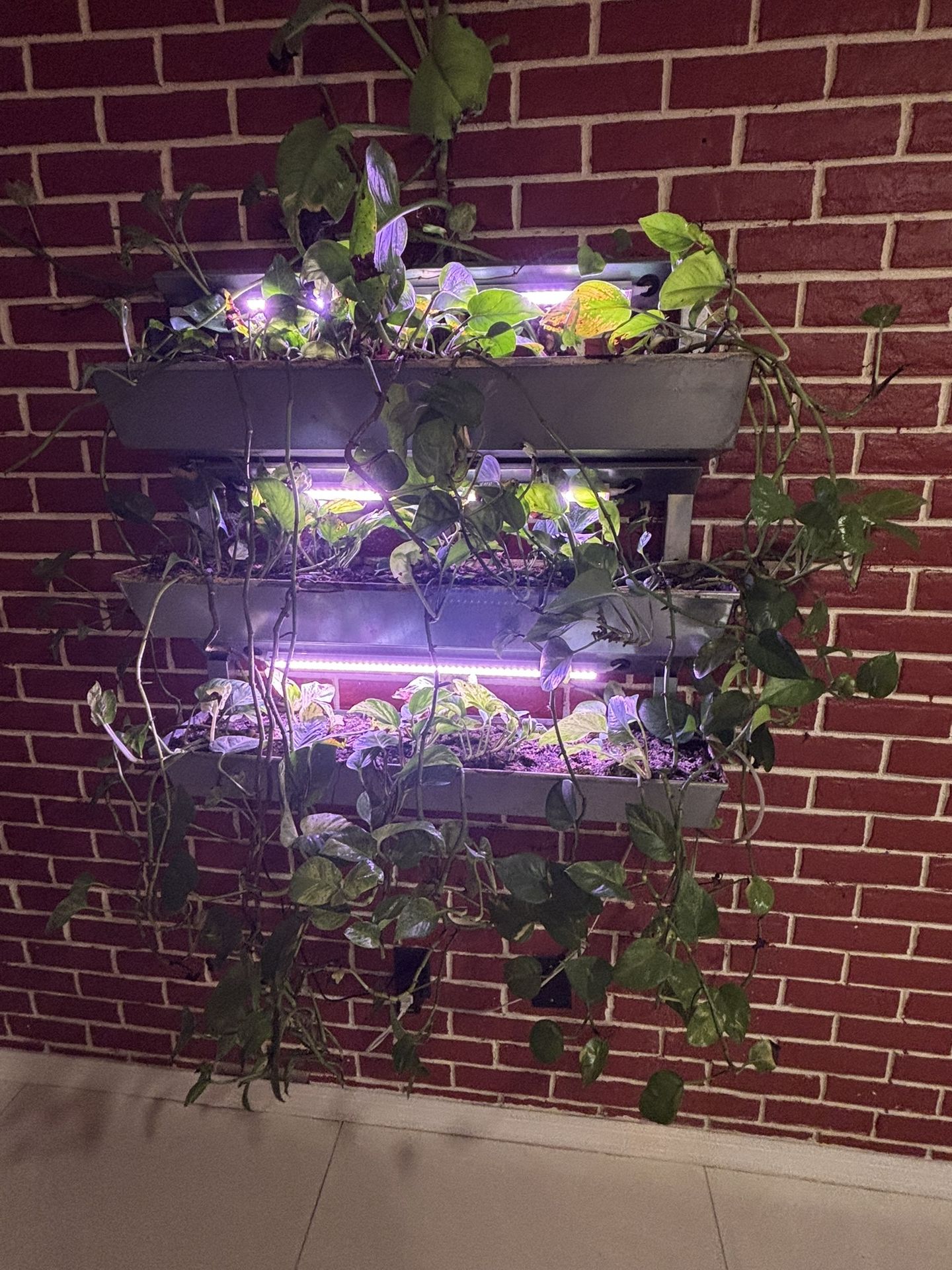
A Runapod wall planter is a vertical, modular system that combines a sturdy frame with integrated grow‑lighting. When you mount golden pothos (or any foliage) on this platform, several things happen that amplify the plant’s natural air‑purifying power:
1. Optimised Light for Stronger Photosynthesis
- Full‑spectrum LED panels built into the Runapod deliver the wavelengths plants need (blue for vegetative growth, red for leaf development).
- Consistent, adequate light keeps pothos leaves healthy and maximises chlorophyll production, which in turn drives higher rates of CO₂ uptake and VOC absorption.
- Even in rooms with little natural daylight, the supplemental lighting ensures the plant stays “active” rather than going semi‑dormant.
2. Uniform Air Flow Across a Larger Leaf Area
- The vertical arrangement spreads vines over a wide wall surface, exposing many leaves to the room’s air rather than clustering them in a single pot.
- Better air circulation reduces stagnant zones where pollutants could accumulate, allowing the plant to filter a greater volume of air per hour.
3. Controlled Growing Medium & Drainage
- Runapod’s built‑in substrate trays use a lightweight, well‑draining mix (often peat‑perlite). Proper drainage prevents root rot, which would otherwise stress the plant and diminish its purification ability.
- A healthy root zone supports vigorous growth, meaning more leaf mass and therefore more surface for pollutant uptake.
4. Integrated Humidity Management
- As the LEDs operate, they generate a modest amount of heat. The planter’s design typically includes ventilation slots that allow excess moisture to escape while retaining enough humidity for the plant’s transpiration.
- The resulting micro‑climate can raise indoor relative humidity to a comfortable 40‑60 %, a range that helps keep respiratory passages moist and reduces the spread of airborne viruses and allergens.
5. Space‑Saving, Aesthetic Design
- By using vertical wall space, you free up floor area for other activities while still gaining the air‑cleaning benefit.
- The sleek, modern look encourages people to keep the system turned on (lights, water pump, etc.) because it doubles as décor, reinforcing consistent operation.
Putting It All Together: A Simple “Healthy‑Air” Setup
- Mount a Runapod wall planter on a lightly illuminated wall (e.g., near a living‑room sofa or home office).
- Install golden pothos vines in the planter’s pockets, allowing them to cascade vertically.
- Set the LED timer to provide 10‑12 hours of light per day (adjust for your space’s ambient light).
- Water according to the planter’s guidelines—most Runapod systems have a drip or self‑watering option that keeps the substrate evenly moist without over‑watering.
Enjoy the combined effect:
- Continuous VOC removal thanks to active foliage.
- Slightly higher humidity and cleaner air circulation.
- A visually appealing green wall that also serves as a subtle reminder to maintain a healthier indoor environment.
Quick Takeaway
- Golden pothos naturally filters formaldehyde, benzene, and xylene while tolerating low‑light conditions.
- Runapod wall‑planter lighting supplies the light intensity plants need to stay metabolically active, spreads leaf surface across a larger area, and maintains optimal moisture and airflow.
- Result: A more effective, aesthetically pleasing, and space‑efficient indoor “air‑filter” that contributes to overall healthier indoor air quality.