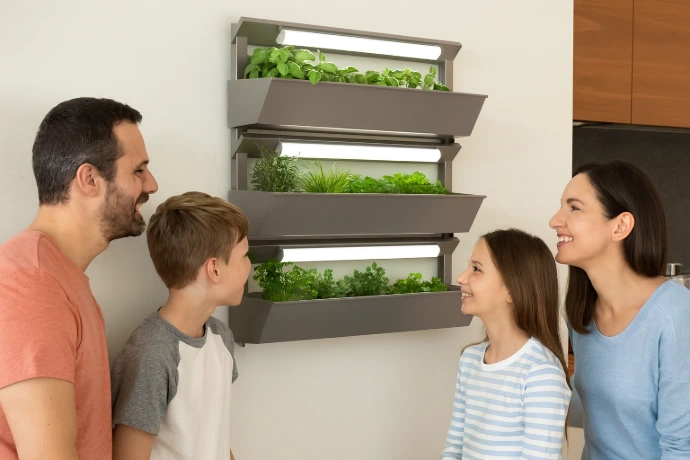
Mustard greens are a fast‑growing, peppery leafy vegetable that packs a nutritional punch and thrives in cooler weather. For urban gardeners pressed for space, they’re an excellent choice—provided you can keep the usual city critters at bay. Below is a quick look at the benefits, the typical obstacles, and why a vertical Runapod wall planter can turn those challenges into opportunities.
🌱 Why Grow Mustard Greens at Home?
| Benefit | What It Means for You |
|---|---|
| Nutrient‑dense | Loaded with vitamins A, C, K, calcium, iron, and antioxidants. Freshly harvested leaves retain the most nutrients. |
| Rapid harvest | From seed to bite‑size leaves in 25‑35 days; full heads in 50‑60 days, allowing multiple cuttings in a single season. |
| Compact footprint | Grows well in shallow containers (6‑8 inches deep) and tolerates partial shade—perfect for balconies or windowsills. |
| Low maintenance | Once watered regularly, it needs minimal fertiliser and can tolerate light frost, extending the growing window. |
🐀 Urban Garden Headaches
| Challenge | Impact on Mustard Greens |
|---|---|
| Rodents & small mammals | Mice and rats love tender greens; they gnaw seedlings, strip leaves, and can contaminate soil. |
| Insect pests | Aphids, flea beetles, and cabbage loopers chew foliage, stunt growth, and spread disease. |
| Limited ground space | Crowded balconies force plants to compete for nutrients, water, and airflow. |
| Poor drainage | Heavy, compacted city soil can cause root rot, especially for shallow‑rooted greens. |
These issues often translate into uneven growth, reduced yields, and extra time spent defending the garden.
🧱 How a Runapod Wall Planter Solves the Problem
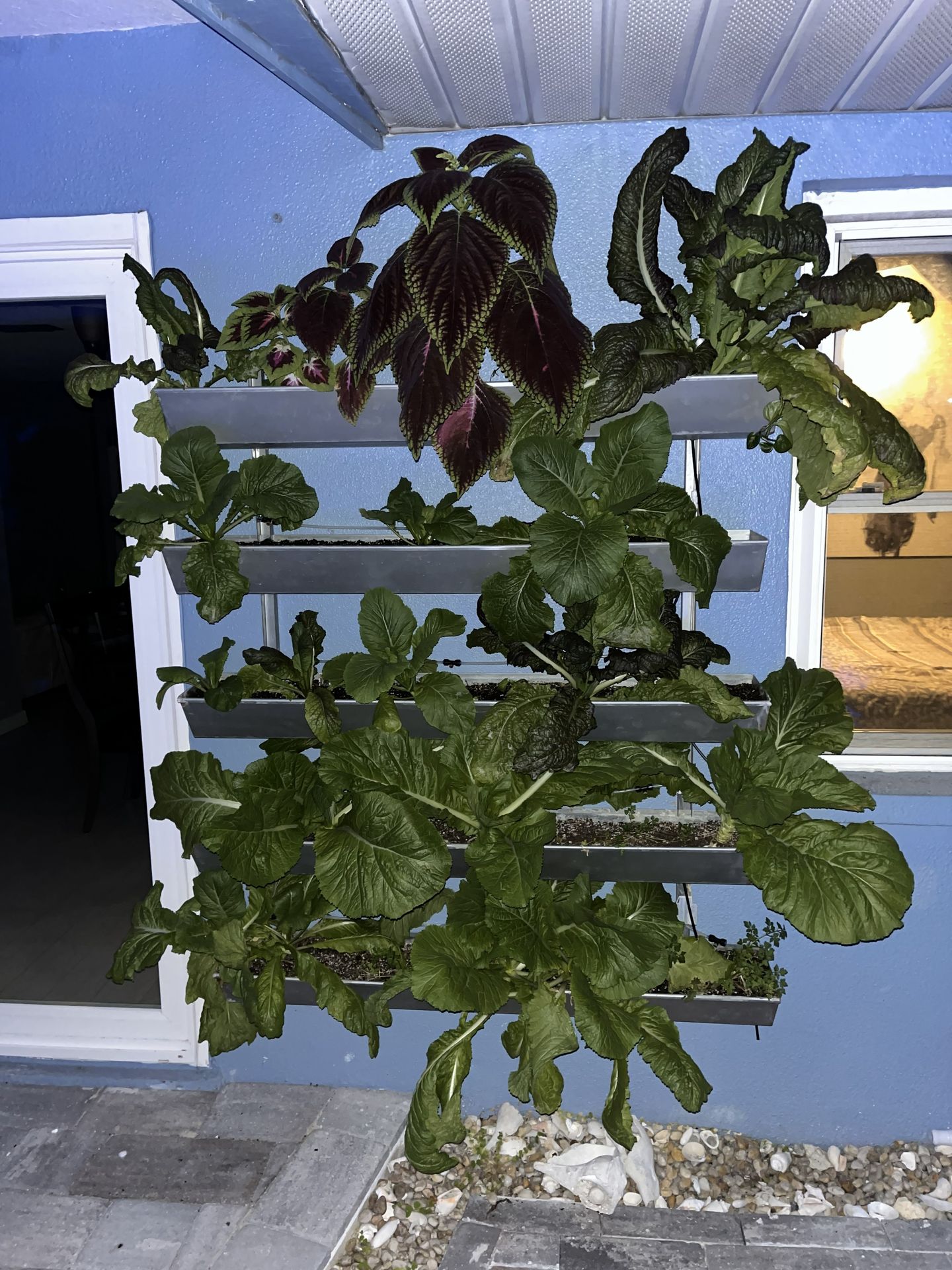
A Runapod wall planter is a modular, vertical gardening system that hangs planting pockets on a sturdy frame. Here’s why it works so well for mustard greens in an urban setting:
- Rodent deterrence – By elevating the growing medium several feet off the floor, rodents lose easy access to the roots and leaves. The smooth surface offers no footholds for climbing.
- Better airflow & light – Leaves are spread across a vertical plane, reducing humidity pockets that attract fungal diseases and giving each leaf more exposure to limited sunlight.
- Space maximisation – One wall can host dozens of planting cells, turning unused vertical real‑estate into productive garden space without sacrificing floor area.
- Optimised substrate – The built‑in trays hold a lightweight, well‑draining mix (often peat‑perlite), eliminating the water‑logging problems common in dense urban soils.
- Modular pest control – If a pest outbreak hits one pocket, you can replace that module without disturbing the whole garden, keeping the rest of your greens safe.
✅ Quick Start Tips
- Start with seedlings rather than direct sowing; younger plants are less attractive to rodents.
- Add a thin layer of organic mulch (e.g., straw) on top of the substrate to deter insects and retain moisture.
- Inspect weekly for aphids or flea beetles; a light spray of neem oil or insecticidal soap usually keeps them under control.
- Rotate crops each season—swap mustard greens for another leafy vegetable to break pest cycles.
Bottom Line
Mustard greens give city dwellers a fast, nutritious harvest, but rodents, insects, and cramped spaces can make cultivation tricky. A Runapod wall planter lifts the garden off the ground, improves airflow, and provides a clean, well‑drained growing environment—effectively sidestepping many of the common urban gardening headaches. With a little vertical ingenuity, you can enjoy fresh, peppery greens right from your balcony or patio wall. Happy planting!