Bok choy (also spelled pak choi) is a fast‑growing, nutrient‑dense leafy green that thrives in cooler weather. For urban gardeners, it offers a rewarding way to bring fresh, healthy produce to a balcony, rooftop, or tiny backyard. Below are some of the key advantages, the typical hurdles you’ll face in a city setting, and why a vertical “wall‑planter” such as a Runapod can make the experience smoother.
Why Grow Bok Choy at Home?
Nutritional punch
Bok choy is packed with vitamins A, C, K, and folate, plus calcium and antioxidants. Harvesting it straight from the garden means you retain the maximum nutrient content.
Quick turnaround
From sowing to harvest can be as short as 30–45 days for baby leaves, and 60–70 days for full heads. This rapid cycle lets city dwellers enjoy multiple harvests throughout the cool season.
Space‑efficient
The plant’s compact habit makes it ideal for containers, window boxes, or small raised beds. It doesn’t require deep soil—about 6–8 inches is sufficient.
Low‑maintenance
Once established, bok choy tolerates light watering and modest fertilisation. Its tolerance for partial shade means you can grow it even where sunlight is limited.
Common Urban Challenges
| Challenge | How It Affects Bok Choy |
|---|---|
| Rodents & Small Mammals | Mice, rats, and squirrels love tender greens. They can gnaw seedlings, strip leaves, and contaminate soil. |
| Insect Pests | Aphids, flea beetles, and cabbage loopers may chew foliage or transmit disease, reducing yield and quality. |
| Limited Ground Space | Crowded balconies or rooftops leave little room for traditional ground‑level beds, increasing competition for nutrients and water. |
| Poor Soil Drainage | Heavy, compacted urban soils can cause root rot, especially for a shallow‑rooted crop like bok choy. |
These pressures often lead to stunted growth, loss of harvest, and extra time spent defending the garden.
How a Runapod Wall Planter Helps
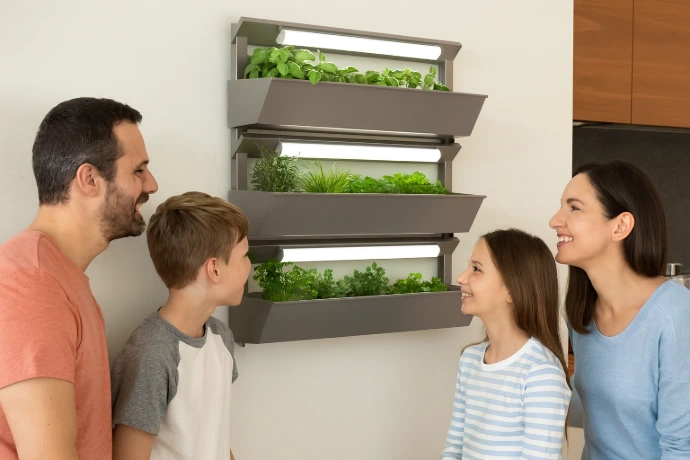
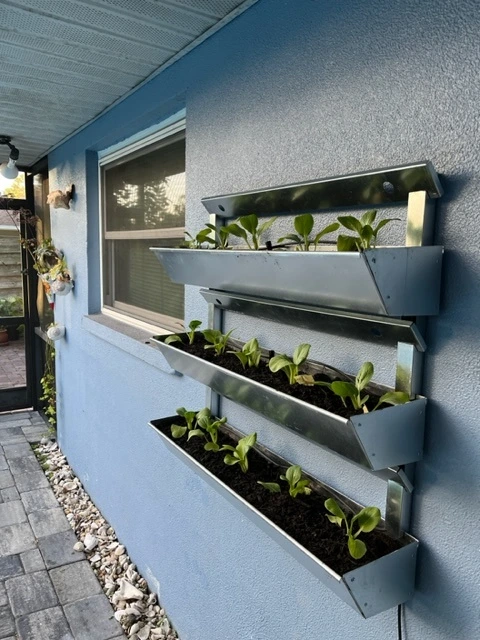
A wall‑mounted planter such as the Runapod lifts the growing medium off the ground, creating a vertical garden that addresses many of the above pain points:
Rodent Deterrence
By suspending the planting pockets several feet above the floor, rodents find it harder to reach the roots or foliage. The smooth surface of the planter also offers no footholds for climbing.
Improved Airflow & Light
Vertical orientation spreads leaves across a plane, allowing better air circulation. This reduces humidity‑related fungal issues and gives each leaf more exposure to whatever sunlight the space receives.
Space Maximisation
One wall can host multiple planting modules, turning an unused vertical surface into productive real estate. You can grow several bok choy varieties side‑by‑side without crowding the ground area.
Controlled Growing Medium
The planter’s built‑in trays hold a lightweight, well‑draining substrate (often a peat‑perlite mix). This mitigates the risk of waterlogging and root rot that can occur with dense urban soils.
Ease of Maintenance
Because the planter is modular, you can swap out individual pockets if a pest outbreak occurs, without disturbing the entire garden. Watering is straightforward—gravity‑fed drip lines or a simple watering can reach all levels.
Quick Tips for Success
- Start with seedlings rather than direct sowing; younger plants are less attractive to rodents.
- Use organic mulch (e.g., straw) on top of the substrate to discourage insects and retain moisture.
- Inspect regularly for early signs of aphids or flea beetles; a gentle spray of neem oil can keep populations in check.
- Rotate crops every season—swap bok choy for another leafy green to break pest cycles.
Bottom Line
Growing bok choy in an urban environment can be incredibly satisfying, delivering fresh, nutritious greens right to your kitchen. While rodents, insects, and limited space pose genuine challenges, a vertical solution like a Runapod wall planter offers a practical, space‑saving way to protect your crop and simplify care. With a little planning and the right setup, you’ll be harvesting crisp bok choy leaves in just a few weeks—right from the wall of your home.